Basic Fight Techniques For Beginners
Stepping into the world of combat sports can feel exciting and overwhelming at the same time. Many beginners imagine intense sparring sessions, explosive punches, and dramatic fight scenes, but the real foundation of martial arts starts with discipline, balance, and controlled movement. Before power ever becomes important, understanding how your body moves and reacts under pressure is what truly shapes a strong fighter. That is why learning the basics properly matters far more than rushing into advanced techniques too early.
Today, more people are searching for basic fight techniques beginners because combat sports are no longer seen only as competition. They have become a powerful way to build confidence, improve fitness, sharpen mental focus, and develop self-defense awareness. Modern training methods focus heavily on safety, body mechanics, and gradual progress, making combat training more accessible for all ages and fitness levels. As legendary boxing trainer Cus D’Amato once said, “A hero and a coward feel the same fear, but the hero uses that fear differently.” That mindset perfectly reflects how beginners should approach training from the very beginning.
Understanding Fundamental Fight Techniques
Every skilled fighter you see today once struggled with simple movements. Strong fundamentals are what separate controlled athletes from reckless fighters who rely only on power. Before learning combinations or advanced counters, beginners need to understand how movement, positioning, and awareness work together inside combat sports.
Many coaches believe that mastering beginner combat moves early creates faster improvement in the long run. Instead of focusing only on attacking, beginners should train balance, defensive reactions, and movement efficiency. Surprisingly, most experienced fighters spend years refining the same basics that beginners often overlook during their first weeks of training.
Importance of stance and footwork
A proper stance acts as the center of every fighting technique. Without balance and positioning, even strong punches lose effectiveness. Good footwork allows fighters to move smoothly, avoid attacks, and stay prepared for counter movements without wasting unnecessary energy.
For beginners, maintaining a stable base is essential. Your knees should stay relaxed, your hands must protect your face, and your weight should remain evenly distributed. Small adjustments in foot positioning can dramatically improve speed and defensive reactions. This is why professional coaches constantly emphasize movement drills before heavy striking practice. Footwork training also improves coordination and endurance. Simple drills like lateral steps, pivots, and jump rope exercises help beginners develop rhythm and agility naturally. Over time, these habits create smoother movement patterns that feel instinctive during sparring or self-defense situations.
Defensive and offensive basics
Many beginners focus only on throwing punches, but effective fighting starts with understanding defense first. A fighter who cannot defend properly will struggle to stay composed under pressure, regardless of physical strength.
Basic defensive skills include keeping the chin protected, maintaining visual awareness, and learning how to block or evade incoming strikes. Offensive fundamentals, meanwhile, focus on clean technique rather than raw power. A controlled jab delivered accurately often creates more impact than a wild punch thrown without balance. Former UFC champion Georges St-Pierre once explained that fighting is “about discipline, timing, and intelligence more than aggression.” That philosophy has become increasingly important in modern combat sports, where technical precision often defeats uncontrolled power.
Building coordination and balance
Coordination connects every movement together. Without balance, punches become unstable, kicks lose accuracy, and defensive reactions slow down significantly. This is why beginner training programs often include bodyweight exercises, core strengthening, and movement drills alongside striking practice.
Simple exercises like shadowboxing, cone drills, and single-leg balance routines help improve stability and body control. These exercises may look basic at first, but they build the foundation needed for faster combinations and smoother movement later on. Interestingly, many beginners notice improved posture and daily body awareness after consistent combat training. The benefits often extend far beyond the gym itself.
Essential Beginner Fighting Skills
Once the fundamentals start feeling comfortable, beginners can begin learning practical fighting techniques. At this stage, consistency matters more than intensity. Controlled repetition helps the body develop proper muscle memory while reducing bad habits that are difficult to fix later.
A common mistake among beginners is trying to imitate advanced fighters too quickly. In reality, the most effective skills usually come from mastering simple techniques with precision and patience.
Basic punching techniques
Punching fundamentals begin with the jab, one of the most important strikes in combat sports. The jab helps control distance, creates openings, and develops timing. Beginners should focus on extending the punch smoothly while quickly returning the hand to a defensive position.
After learning the jab, beginners can practice the cross, hook, and uppercut. Each punch relies heavily on hip rotation, balance, and controlled breathing. Throwing punches with proper mechanics not only increases effectiveness but also reduces the risk of injury. Training accuracy is equally important. Hitting targets cleanly with controlled force teaches better precision and reaction timing than simply punching harder.
Simple kicking movements
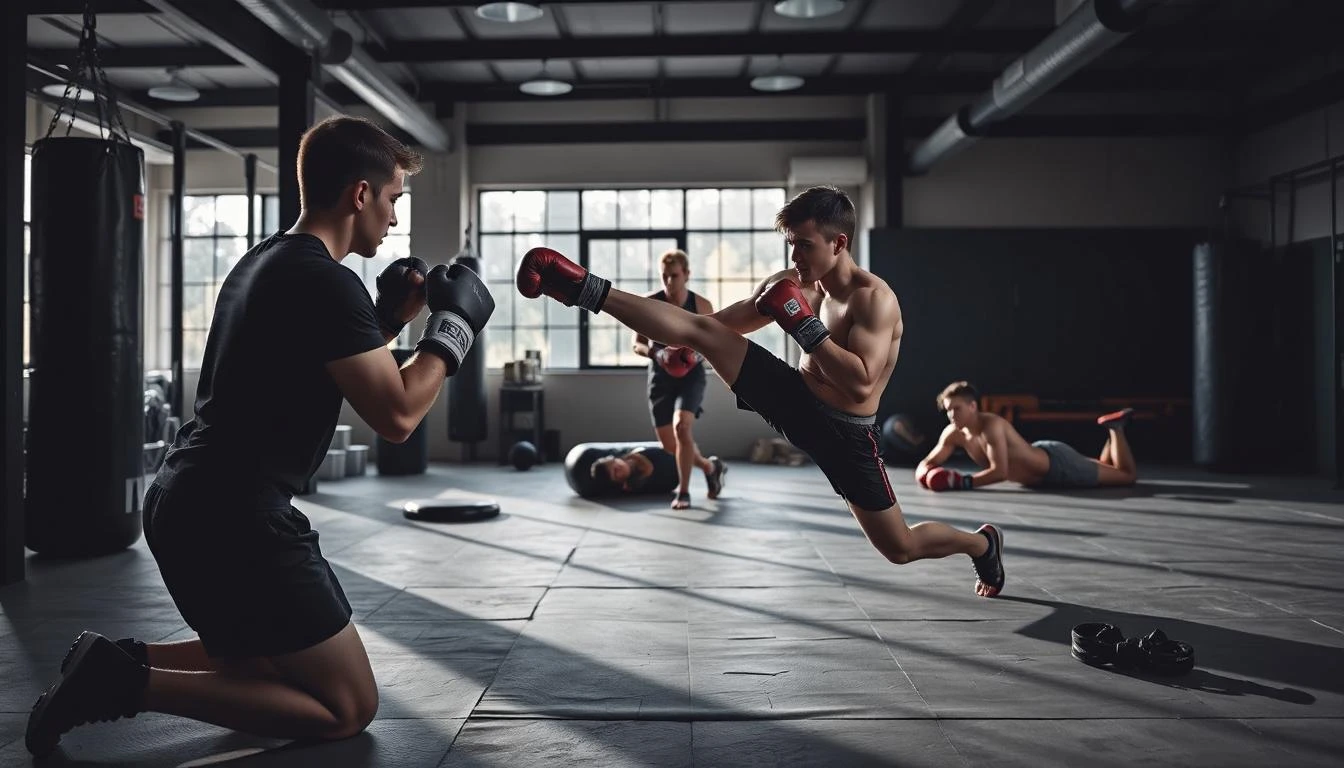
Kicking introduces a completely different challenge because it requires flexibility, stability, and coordination simultaneously. Beginners should start with simple movements such as front kicks, push kicks, and low roundhouse kicks before attempting advanced spinning techniques.
Controlled kicking practice improves lower-body strength and mobility while teaching distance management. Beginners often discover that balance is more difficult during kicks than punches, which is why proper posture becomes extremely important. Consistent stretching and mobility exercises can also improve kicking performance gradually. Flexibility develops over time, so beginners should avoid forcing movements too aggressively during early training sessions.
Blocking and defensive reactions
Defensive reactions help fighters stay calm during exchanges. Learning how to block punches, redirect strikes, and maintain composure under pressure creates confidence that many beginners initially lack.
Basic blocking techniques include high guards, forearm shields, and simple parries. Defensive drills with partners can improve reaction speed while teaching beginners how to read movement patterns more effectively. One of the biggest surprises for new trainees is realizing that experienced fighters rarely panic. Calm reactions are usually built through repetition, controlled sparring, and consistent defensive practice rather than natural talent alone.
Improving Technique Through Practice
No fighting technique becomes effective without repetition. Consistent practice transforms awkward movements into natural reactions. Even highly skilled athletes continue refining basic techniques throughout their careers because mastery in combat sports is built through constant repetition.
Beginners who focus on disciplined practice often improve faster than those who rely only on physical strength. Small improvements in timing, movement, and coordination eventually create major differences in overall performance.
Shadow training for beginners
Shadowboxing is one of the most effective training methods for beginners because it develops movement, balance, and technique without physical contact. It allows fighters to practice combinations, defensive transitions, and footwork while improving cardio endurance simultaneously.
During shadow training, beginners should focus on controlled breathing and clean movement rather than speed alone. Practicing slowly at first helps build stronger habits and prevents sloppy technique from developing too early. Over time, shadowboxing also improves mental visualization. Fighters begin imagining realistic scenarios and reacting more naturally during live training sessions.
Partner drills and controlled practice
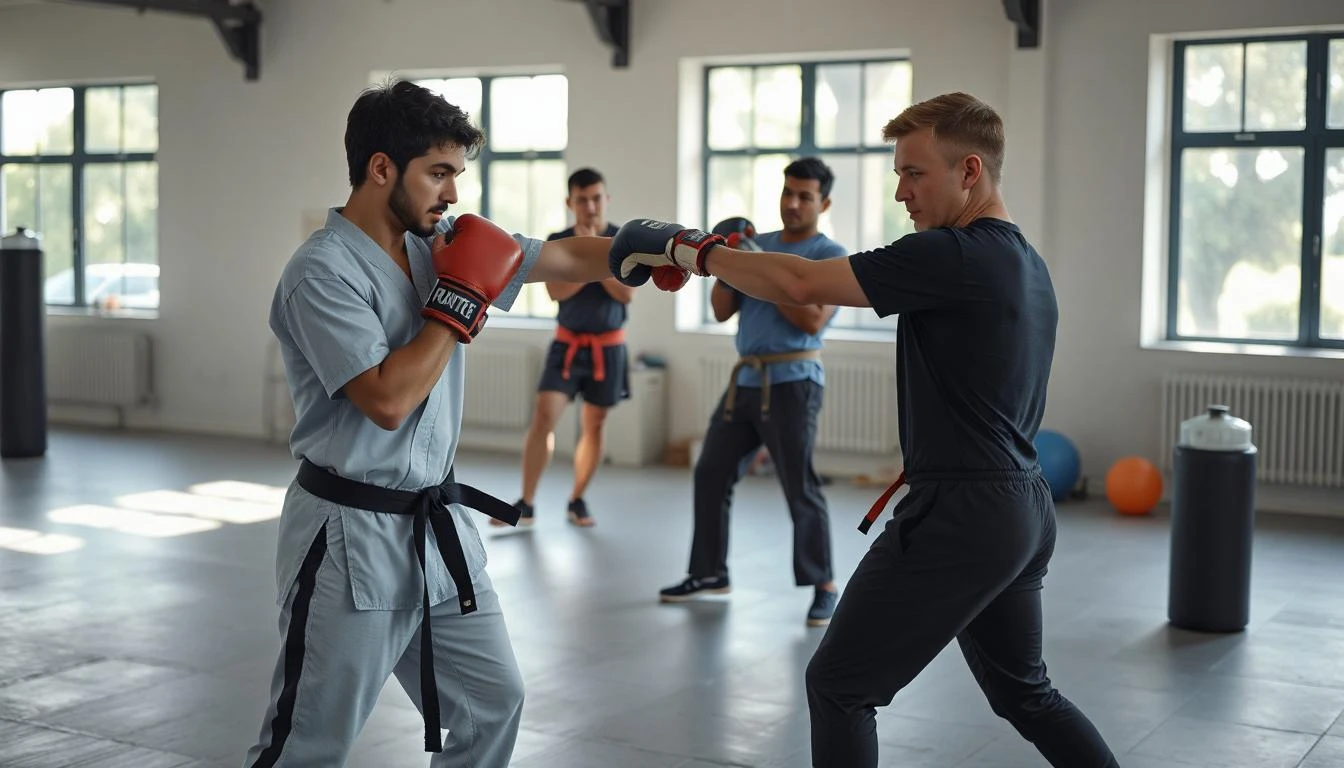
Training with a partner introduces realistic timing and movement. Controlled drills allow beginners to practice defensive reactions, counters, and positioning in a safer environment compared to full sparring.
Light contact exercises help improve awareness while building confidence gradually. Good training partners understand that beginner sessions should focus on learning rather than overpowering each other. Many modern gyms now prioritize technical sparring and controlled drills because they help beginners improve faster while minimizing unnecessary injuries.
Developing speed and accuracy
Speed becomes useful only when paired with precision. Fast punches that miss the target waste energy and create openings for counters. This is why accuracy training remains one of the most important parts of beginner development. Focus mitt drills, reflex exercises, and timed combinations help improve reaction speed naturally. Beginners should train smooth movements first before increasing intensity.
Interestingly, experienced fighters often appear relaxed during exchanges because efficient technique allows them to move faster without forcing unnecessary power. That level of control is built gradually through patient practice and disciplined repetition.
Master Basic Fight Techniques Step By Step
Learning combat sports is not about becoming unstoppable overnight. Real improvement happens through consistency, patience, and the willingness to repeat simple techniques until they become second nature. The fighters who improve fastest are usually not the strongest people in the gym, but the ones who stay disciplined enough to trust the process even when progress feels slow.
As training continues, many beginners realize combat sports teach far more than punches and kicks. They develop focus, emotional control, resilience, and self-confidence that carry over into daily life. The moment your movements begin feeling smoother and your reactions become calmer, training starts becoming genuinely rewarding instead of intimidating.