Athlete Mindset In Combat Sports

Stepping into combat sports is never just about throwing punches, landing takedowns, or surviving intense rounds. Behind every composed athlete inside the cage or ring, there is a deeper psychological system working quietly in the background. The pressure, fear, adrenaline, and expectation that come with combat competition force athletes to develop a mentality that can endure discomfort while staying focused under pressure. That is what makes combat sports different from many other athletic disciplines.
In today’s competitive environment, the concept of athlete mindset combat sports has become one of the biggest factors separating average competitors from elite performers. Physical ability may open opportunities, but mental resilience, emotional control, and strategic discipline often determine who survives difficult moments and who breaks under pressure. Modern fighters are no longer training only their bodies. They are training their minds to stay calm, adaptable, and dangerous in unpredictable situations.
Understanding the Combat Athlete Mindset
The mindset of a combat athlete is built through repetition, sacrifice, setbacks, and constant adaptation. Unlike sports that rely heavily on teamwork, combat athletes carry full responsibility for every decision made during competition. This pressure creates a unique mental environment where discipline and emotional control become essential tools for survival and growth.
Developing mental toughness for fighters is no longer viewed as optional in modern combat sports. Athletes now understand that staying mentally composed during exhausting training sessions or high-pressure fights can dramatically improve performance. The ability to recover emotionally after failure, stay disciplined during hard periods, and maintain confidence after setbacks often becomes the true foundation of long-term success.
Discipline and Mental Toughness
Discipline is often the invisible factor behind every successful fighter. While motivation changes from day to day, discipline keeps athletes moving forward even when training becomes physically exhausting or mentally draining. Fighters who consistently improve usually follow routines with precision, regardless of mood or circumstances.
Sports psychologist Dr. Jim Afremow once explained that “elite athletes develop confidence through preparation rather than emotion.” That statement reflects why disciplined training creates mental stability. Fighters who trust their preparation tend to remain calmer during chaotic moments because they have already experienced discomfort repeatedly in training. Mental toughness also involves emotional endurance. Strong fighters learn how to control panic, frustration, and fear without allowing emotions to affect decision-making. This balance between aggression and composure becomes one of the defining characteristics of elite competitors.
Confidence and Self Control
Confidence in combat sports is built gradually through experience, repetition, and preparation. It is not loud behavior or reckless aggression. Real confidence appears when athletes trust their abilities because they have consistently sharpened them through disciplined work.
Self-control becomes equally important inside combat environments. Adrenaline can easily push fighters into making emotional mistakes, especially during intense exchanges. Athletes who remain calm under pressure usually make better tactical decisions and conserve their energy more effectively throughout competition. Many experienced coaches now encourage athletes to practice mindfulness, breathing control, and visualization before sparring or fights. These methods help athletes stabilize emotions and improve concentration during stressful situations.
Importance of Consistent Practice
Consistent practice creates familiarity with pressure. Fighters who train regularly become more comfortable reacting under stress because repetition strengthens both technical skill and mental awareness. This process allows athletes to perform instinctively instead of hesitating during critical moments.
Modern combat sports training also focuses heavily on recovery, mobility, reaction drills, and cognitive conditioning. Athletes are beginning to understand that improvement is not only about training harder, but also about training smarter and recovering properly.
Mental Preparation for Competition
Preparing for competition involves much more than physical conditioning. Long before athletes enter the ring or cage, mental battles often begin inside their own minds. Anxiety, expectations, fear of failure, and pressure from outside opinions can slowly affect performance if not managed properly.
That is why mental toughness for fighters has become one of the most discussed topics among coaches and sports psychologists today. Athletes who can manage stress effectively usually maintain clearer decision-making during difficult moments. Instead of freezing under pressure, they adapt, recover, and continue executing their strategy with composure.
Managing Pressure and Stress
Pressure is unavoidable in combat sports. The closer athletes get to competition day, the more intense the emotional weight becomes. Expectations from coaches, teammates, family, and even social media can increase anxiety significantly.
Successful fighters learn how to reinterpret pressure as preparation rather than danger. Instead of viewing stress as a threat, they treat it as proof that the moment matters. This mental adjustment helps athletes stay focused instead of overwhelmed. According to Georges St-Pierre, “fear never completely disappears before competition, but learning how to manage fear is what separates professionals from amateurs.” His perspective highlights how emotional control often matters just as much as physical preparation inside combat sports.
Building Focus During Training
Focus is one of the most underrated weapons in combat sports. Small distractions can affect timing, reactions, and tactical awareness during training or competition. That is why many elite athletes build routines designed to improve concentration and reduce unnecessary mental noise.
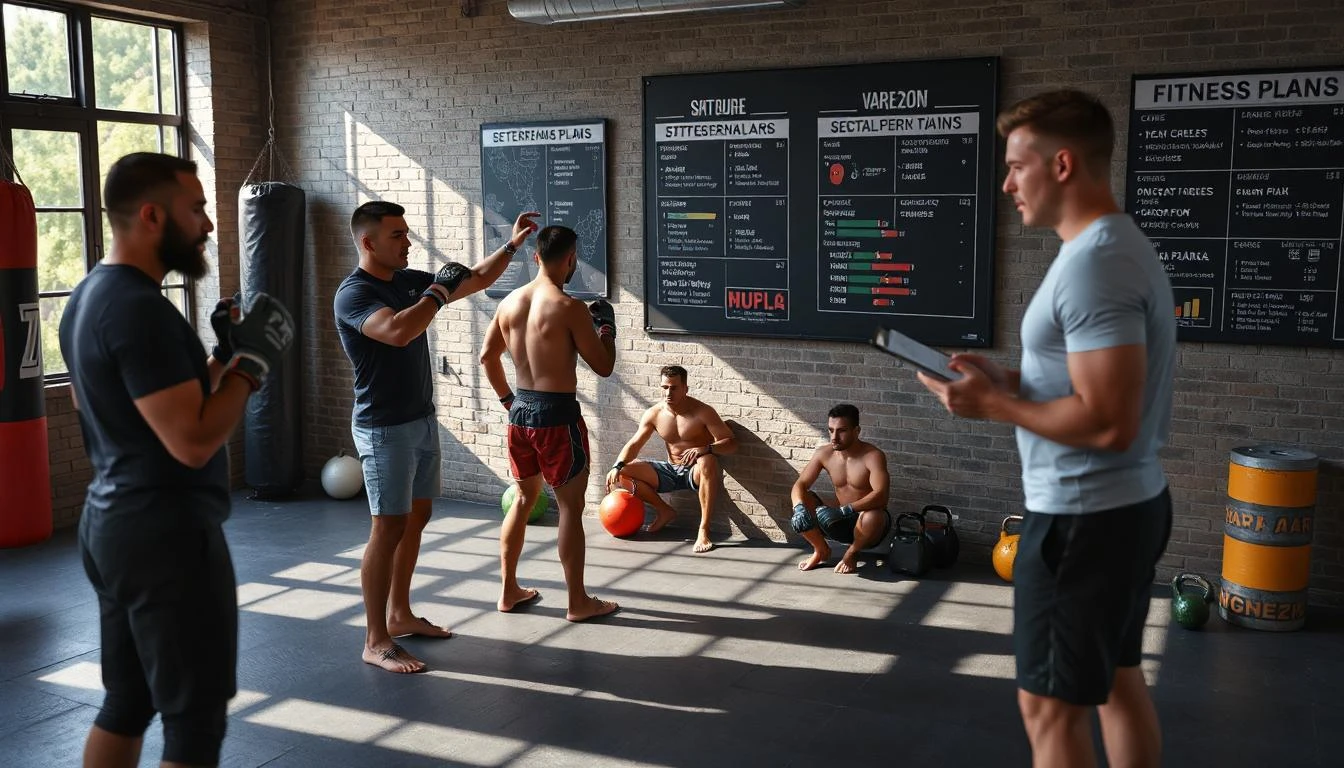
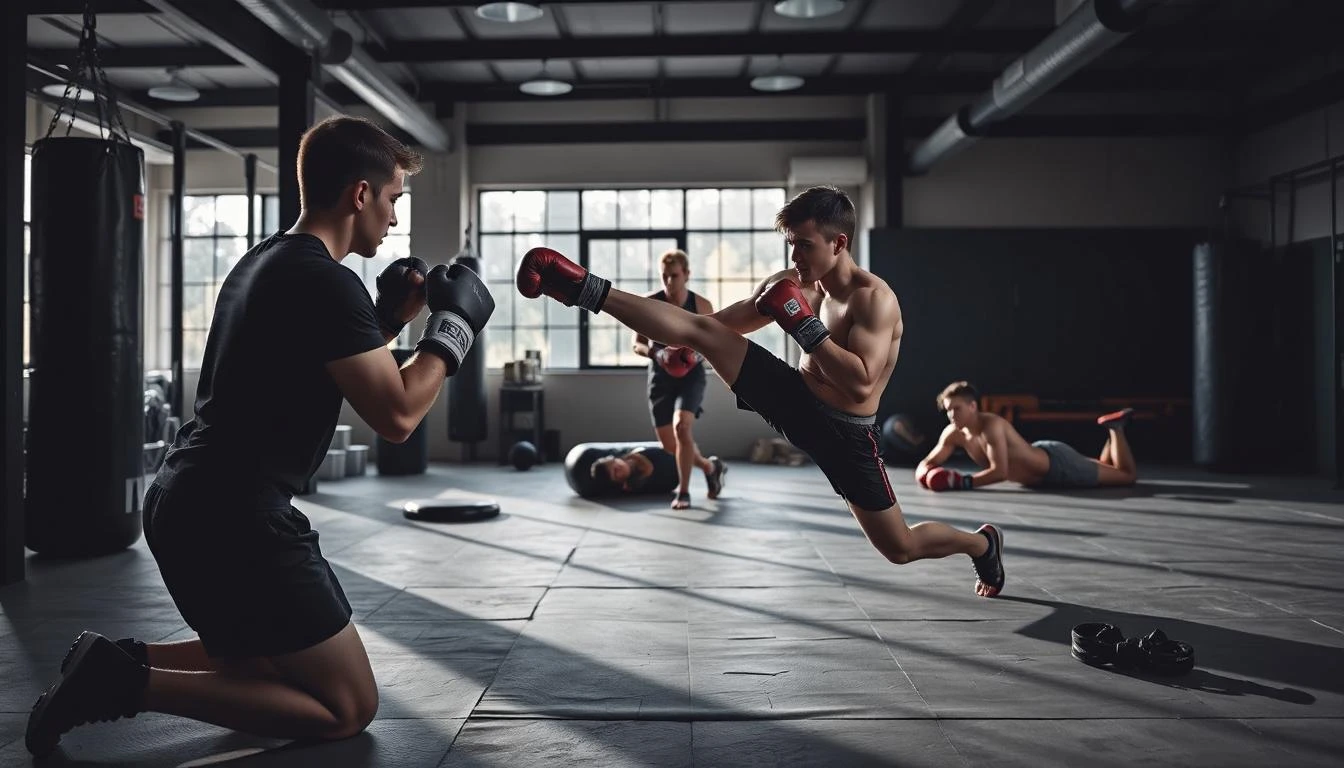
Training under controlled pressure is becoming increasingly common in modern gyms. Coaches often create stressful environments through fatigue drills, loud surroundings, or difficult sparring situations to strengthen an athlete’s concentration under chaos. Athletes who maintain focus consistently during training often react more naturally during competition because their minds become familiar with uncomfortable situations.
Setting Realistic Performance Goals
Setting realistic goals helps athletes maintain motivation while measuring progress more clearly. Fighters who chase perfection too quickly often become frustrated, especially during slow periods of improvement.
Experienced athletes usually focus on process-based goals instead of only obsessing over victories. Improving cardio endurance, sharpening defensive reactions, or developing emotional control during sparring can create more sustainable long-term growth. This approach also helps reduce mental burnout. Instead of feeling overwhelmed by massive expectations, athletes stay motivated by seeing steady progress in smaller areas of development.
Habits of Successful Combat Athletes
The routines athletes follow outside competition often reveal why some fighters improve consistently while others struggle to grow. Daily habits influence energy levels, mental clarity, discipline, and emotional stability far more than many people realize.
The strongest competitors usually build lifestyles that support long-term performance rather than relying only on temporary motivation. Over time, these habits become part of their identity both inside and outside the gym.
Daily Routines and Discipline
Daily structure creates stability for combat athletes. Sleep schedules, nutrition, hydration, mobility work, and recovery routines all contribute to stronger physical and mental performance.
Many elite athletes now monitor recovery metrics, heart rate variability, and training intensity to avoid burnout. This modern approach allows fighters to optimize performance while protecting long-term health and consistency.
Discipline outside training often translates directly into discipline during competition. Athletes who respect routines usually remain calmer and more organized under pressure.
Learning from Wins and Losses
Both victories and defeats carry valuable lessons. Fighters who refuse to learn from mistakes often repeat the same weaknesses repeatedly throughout their careers. Successful athletes analyze performances objectively rather than emotionally. Instead of becoming trapped by frustration after losing, they study what went wrong and make adjustments for future improvement.
This mindset creates resilience because setbacks become opportunities for growth instead of permanent obstacles. Over time, athletes who embrace learning usually develop stronger confidence and emotional maturity.
Staying Motivated Through Challenges
Every combat athlete eventually faces difficult periods. Injuries, disappointing performances, emotional fatigue, and slow progress can test motivation significantly. Sustainable motivation often comes from purpose rather than emotion alone. Fighters who connect training with personal growth, discipline, or long-term goals tend to remain committed during uncomfortable phases of development.
The athletes who continue showing up consistently during hard moments are often the ones who experience the biggest transformations later in their careers.
Develop A Strong Athlete Mindset For Combat Sports
Building a stronger mindset in combat sports requires patience, discipline, and emotional awareness. Mental strength is not developed overnight. It grows slowly through difficult training sessions, uncomfortable experiences, setbacks, and consistent self-reflection.
The modern era of combat sports continues to prove that psychological preparation matters just as much as physical conditioning. Fighters who can stay calm during chaos, adapt under pressure, and maintain confidence after failure often create longer and more successful careers.